

In this guide, we break down what is cryptocurrency, explore the different types of digital assets, and explain how they are used in the real world. We also cover the risks involved and the most practical ways to manage your crypto holdings in 2026.
Cryptocurrency Basics: Definition and Blockchain Technology
Cryptocurrencies are a fundamental part of the global financial system. The total market capitalization of the crypto market stands at approximately $2.5 trillion. The top five cryptocurrencies by market cap are Bitcoin (BTC), Ethereum (ETH), Tether (USDT), XRP, and BNB.
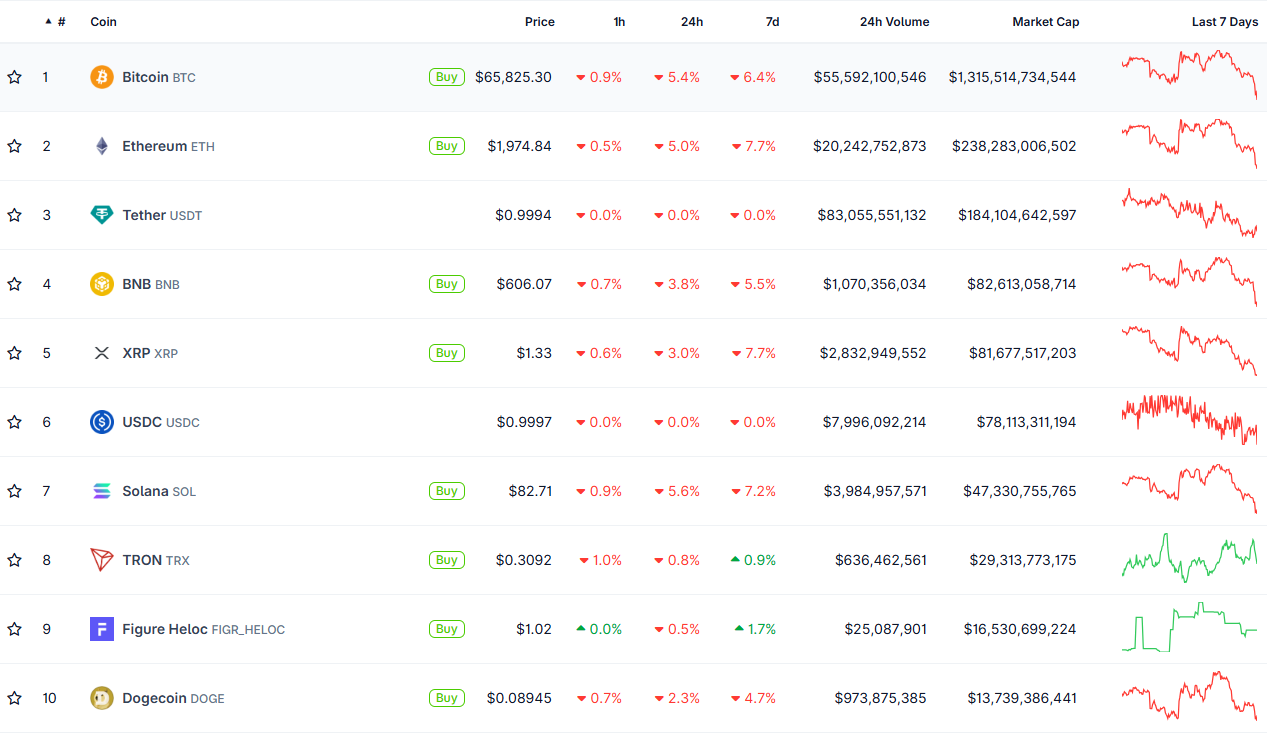
To understand how does cryptocurrency work, you need to get familiar with the underlying technology it is built on – blockchain.
The Technology Behind Cryptocurrencies
To explain what is crypto in simple terms, let's start with the blockchain. A blockchain is a distributed ledger where every transaction is recorded. Each block contains data about transfers and is linked to the previous one through a cryptographic hash. Altering any record would require controlling the majority of the network – something that is practically impossible. This tamper-proof design is the core innovation of the technology.
Decentralization is the foundation of the entire system. No single organization controls the network. Every transaction is verified by network participants – miners or validators – which keeps the system resilient and trustworthy. This is essentially the crypto meaning at its most fundamental level: a financial system with no central authority, where transparency and security are built into the protocol itself.
How Transactions Work in Cryptocurrency
A transaction is the process of moving assets to a specific wallet address on the blockchain. Here is a practical breakdown of how does crypto work when you send funds from one user to another:
- The user initiates a transaction in a wallet or on an exchange.
- The sender confirms the transaction and pays a network fee.
- Blockchain validators check the transaction for valid signatures, sufficient balance, and compliance with network rules.
- If everything checks out, the transaction is added to the blockchain.
In Bitcoin, miners fulfill the role of validators. They group transactions into blocks and compete to add the next block using computational power. The winner adds the block and earns a reward. Other networks – like Ethereum, Solana, and TRON – use a different approach called Proof of Stake, where participants lock up coins and are selected as validators to create new blocks.
Types of Cryptocurrencies and Their Purpose
Every cryptocurrency has its own role and internal logic. Understanding what are cryptocurrencies in detail means recognizing the key categories that exist in the market today.
Bitcoin (BTC)
Bitcoin is the first and most widely recognized digital currency – formally conceived as an alternative to traditional money. It is often called "digital gold" because it holds value independently of banks and has a hard supply cap of 21,000,000 coins, making it inherently scarce.
Altcoins
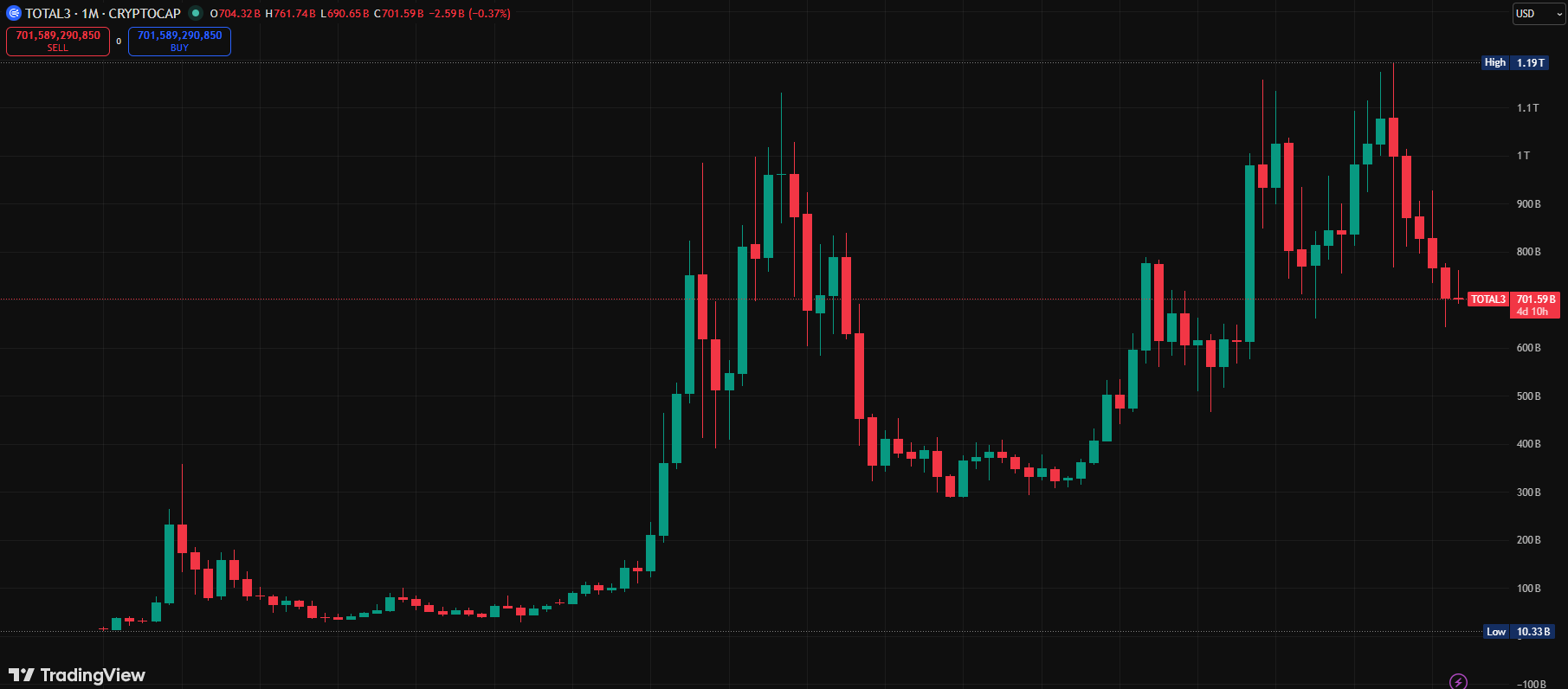
Altcoins are all cryptocurrencies launched after Bitcoin. There are more than 10,000 altcoins in existence today, with a combined market cap exceeding $700 billion (excluding BTC and ETH). Altcoins range from established platforms like Ethereum to experimental niche tokens.
Stablecoins
A stablecoin is a cryptocurrency with a fixed price, typically pegged to a fiat currency like the US dollar. The most widely used stablecoins are USDT and USDC. They are frequently used for payments, preserving liquidity, and reducing exposure to volatility – making them the go-to choice for everyday crypto transactions.
Memecoins
Meme coins are projects born from internet culture, with their value driven primarily by community hype and social media momentum. The most prominent examples include Dogecoin (DOGE), Shiba Inu (SHIB), and PEPE. These tend to be highly speculative and volatile.
Native vs. Utility Tokens
All cryptocurrencies can also be classified as either native or utility tokens:
- Native tokens are launched directly on a specific blockchain and serve as the internal unit of account. For example, BTC is the native token of the Bitcoin network, used to pay fees and reward miners. TRX plays the same role in the TRON network.
- Utility tokens are issued on top of existing blockchains and grant access to specific platform features. Examples include BNB, ARB, LINK, UNI, and AAVE.
Notably, some native tokens also function as utility tokens – ETH, TRX, and SOL are common examples of this dual role.
What Drives Cryptocurrency Prices?
Crypto prices are constantly shifting – sometimes dramatically. This volatility has a direct impact on investor behavior.
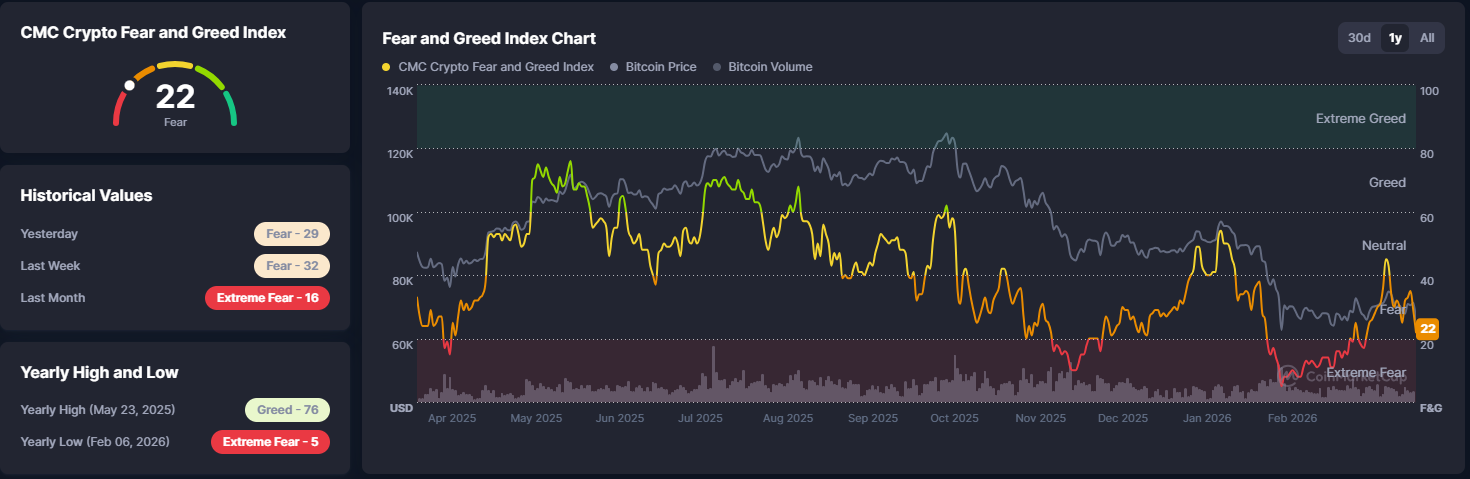
Several fundamental factors influence the price of digital assets:
- Supply and demand dynamics
- Statements from influential figures and politicians
- Community sentiment on social media
- Global events, geopolitics, and macroeconomic trends
- Actions of large market participants ("whales")
- Regulatory decisions in key markets
- Project development milestones and blockchain upgrades
Understanding these factors is part of what cryptocurrency explained really means for active participants – it's not just about the technology, but also about how markets behave around it.
Crypto for Beginners: Where to Start
If you're approaching this space for the first time, thinking of this as crypto for dummies is a reasonable starting point. Before anything else, define your goal: trading, long-term investing, holding, or making regular transfers. Your goal determines the right approach.
For trading, cryptocurrency exchanges are the primary tool. To get started on an exchange:
- Register an account on a reputable platform (e.g., Binance, Bybit, OKX, BingX)
- Complete the KYC (Know Your Customer) verification process
- Deposit funds and begin trading
Choosing a Crypto Wallet: Custodial vs. Non-Custodial
There are two main types of wallets for storing cryptocurrency:
- Custodial wallets – the private keys are held by the exchange or service, and you access your funds through their platform.
- Non-custodial wallets – the private keys are held exclusively by the user on their own device, giving full control over funds.
Most people look for a balance between convenience and security. One option gaining traction is Crypto Office, a Telegram-based service. While it is technically custodial, platform allows access to the seed phrase and private keys in emergency situations, giving users a safety net. It supports BTC, ETH, BNB, TRX, SOL, USDT, and USDC.
How to Use Cryptocurrency Day-to-Day
Knowing what is cryptocurrency and how it works on paper is one thing – putting it into practice is another. The Crypto Office service, for example, requires no KYC verification.
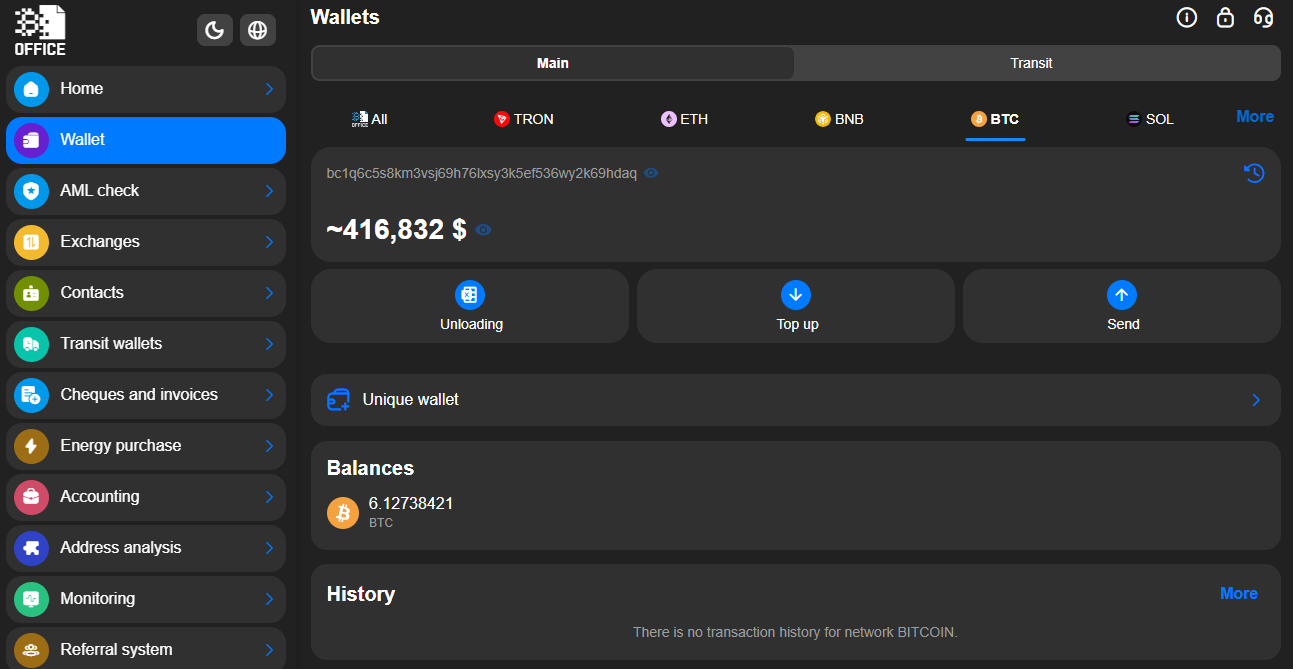
A wallet is created instantly by entering the "/start" command in the Telegram bot. Users get wallets for exchanges, transfers, receiving funds, and managing assets – all in one interface.
Cryptocurrency Security: Common Beginner Mistakes
For anyone new to digital assets, what is cryptocurrency and how does it work in practice often comes with a learning curve – and that learning curve includes costly mistakes. Here are the most frequent errors and how to avoid them.
One of the most common misunderstandings is treating an exchange as a long-term storage solution. Exchanges exist for trading – but any centralized platform (CEX) carries risks ranging from account freezes to full lockouts, sometimes with no way to recover access. Losing control of your private keys can lead to permanent loss of funds if the platform is compromised.
Common mistakes when using wallets:
- Improper storage of the seed phrase
- Entering the wrong recipient wallet address
- Selecting the wrong blockchain network when sending
- Ignoring basic security hygiene
To stay safe when managing crypto, follow these best practices:
- Use strong, unique passwords for all wallets and accounts
- Enable two-factor authentication (2FA)
- Link a recovery email address to your accounts
- Never share your seed phrase with anyone
- Double-check the recipient address before every transfer
- Verify the network before sending – a wrong network means lost funds
- Never connect your wallet to unknown protocols or websites
- Do not click links from unknown users or transaction comments
- Avoid storing large amounts on trading exchanges
- Only install wallets from official, verified sources
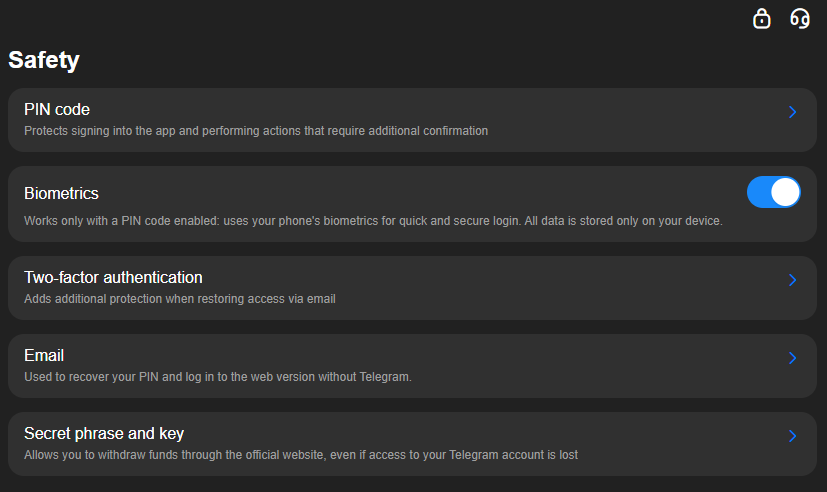
Crypto Office implements a number of tools that ensure a high level of security.
Market Volatility and Risk Management
High volatility is one of the defining characteristics of the crypto market – and one of its greatest risks. In early January 2026, Bitcoin traded near $97,500. By February, the price had dropped to approximately $60,400 – a decline of nearly 40% in a single month.
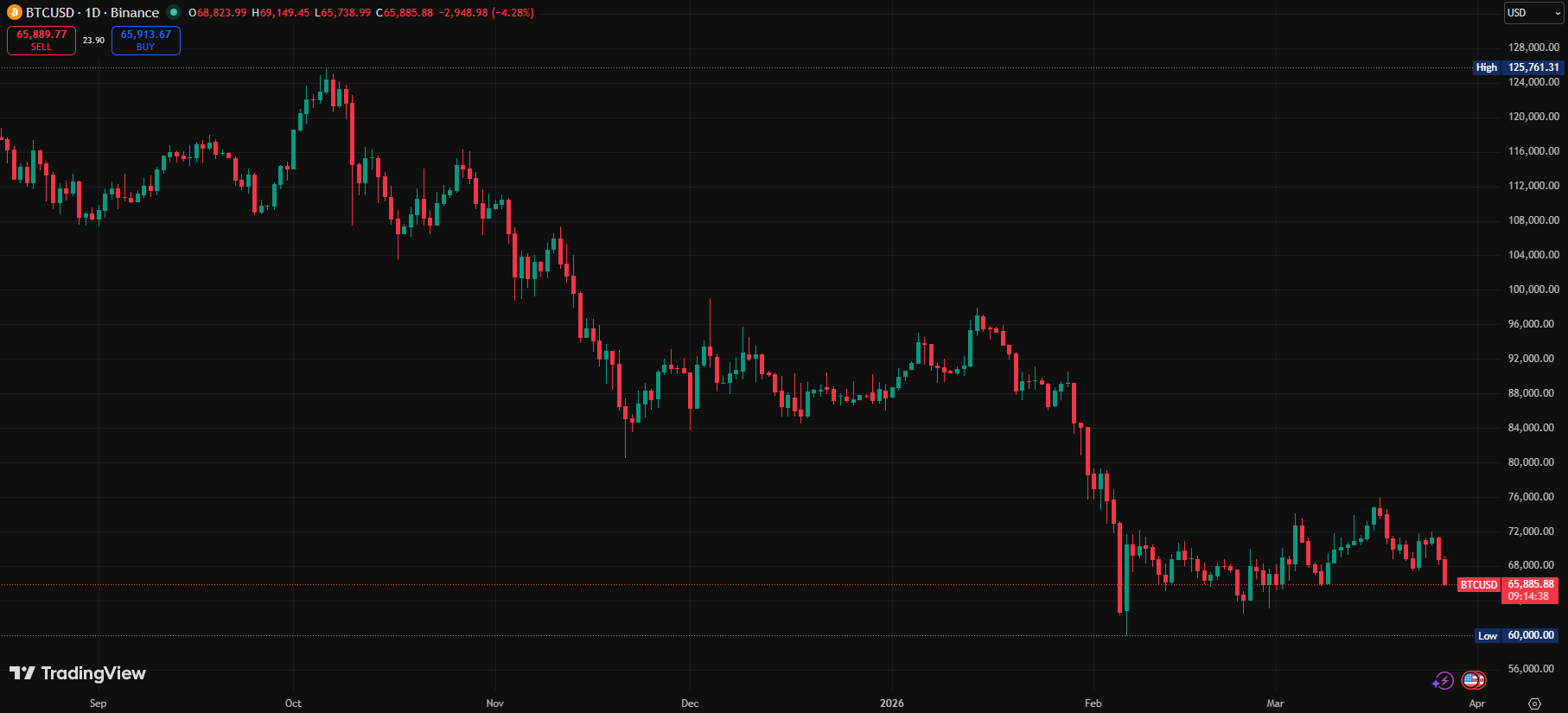
Total liquidations during this period exceeded $2.5 billion. And this came after a peak of $125,700 in October 2025, meaning the drawdown from the top exceeded 50%.
For intraday traders, even daily swings of 10–15% in BTC are not uncommon.
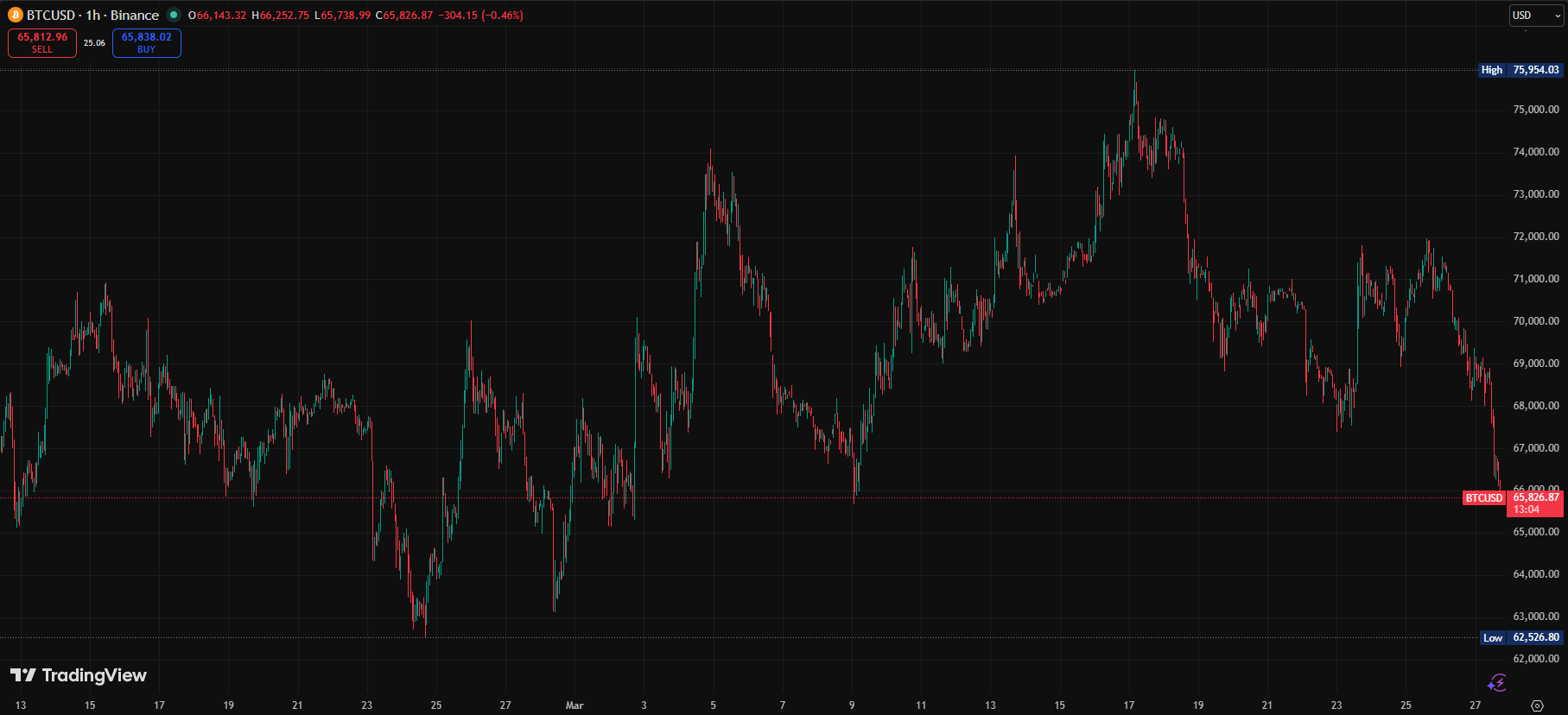
Without a clear risk management strategy, trading crypto is genuinely dangerous. Key risk management principles include:
- Never invest more than you can afford to lose
- Diversify capital across multiple assets
- Take profits incrementally rather than all at once
- Eliminate emotional decision-making in entries and exits
- Monitor market movements, regulatory signals, and key opinion leaders regularly
Cryptocurrency Regulation and Taxes in 2026
The regulatory landscape for digital assets varies widely by country. Some permit crypto freely, others restrict it, and a few have banned it outright. In most jurisdictions, however, crypto is subject to some degree of regulatory oversight – including taxation.
KYC/AML Requirements: Why Exchanges Ask for Your Documents
Most cryptocurrency exchanges require users to complete KYC (Know Your Customer) or AML (Anti-Money Laundering) verification to confirm their identity. These procedures exist to prevent illegal financial activity. Exchanges monitor transaction flows for suspicious patterns. While this may feel inconvenient, these measures increase overall market security and ensure compliance with local laws.
Practical Uses of Cryptocurrency
Digital assets are not just for trading. Crypto currency meaning has expanded well beyond speculation – today, crypto actively participates in payments, currency exchanges, and international settlements. Managing all of this efficiently requires the right tools.
Managing everything from a single interface is often the most practical approach. Services like Crypto Office directly address common user questions – how to store crypto safely, how to work with digital currencies, how to transfer funds, and how to track transaction history, all within Telegram. The platform combines convenience, security, automation, and operational simplicity.
How to Safely Acquire Cryptocurrency
There are several main ways to get cryptocurrency:
- Buying on an exchange – the most popular method. Stick to established platforms like Binance, Bybit, OKX, and BingX.
- Using exchange services – specialized platforms that allow you to buy crypto with fiat currency.
- Mining – earning crypto by running specialized hardware. This requires significant resources and technical knowledge.
- Receiving a transfer – simply have another user send crypto directly to your wallet address.
Regardless of the method, always observe these safety practices:
- Use a reliable, reputable crypto wallet
- Verify all addresses before sending or receiving
- Enable all available account security features (2FA, passwords, email recovery, biometrics)
- Avoid keeping large balances on trading exchanges
The Future of Crypto: From Blockchain to Web3
Cryptocurrencies are no longer a passing trend. The market has moved past the experimental phase and built a solid infrastructure. Digital assets now represent a distinct financial layer that is developing alongside – and increasingly intersecting with – the traditional economy.
Blockchain remains the foundation of all of this. It enables data to be recorded and transferred without intermediaries. On top of that foundation, smart contracts, DeFi protocols, and asset tokenization have emerged, reshaping not just finance but the logic of digital services more broadly.
The next major phase is Web3 – a model of the internet where users truly own their assets and control key processes. Cryptocurrencies are central to that vision. They function as:
- A medium of exchange within decentralized applications
- A way to transfer value without banks
- A governance tool within DAO communities
- An economic engine for dApps
Without cryptocurrencies, Web3 simply does not function. They are the economic layer that makes decentralized systems viable.
Tokenization is another major growth area. Real-world assets – funds, bonds, real estate – are increasingly being brought on-chain. Major institutions like BlackRock and JPMorgan are actively developing this space. The RWA (Real World Asset) segment already exceeds $27 billion in value and grew by 289% in a single year.
Traditional payment networks are also integrating crypto. Visa now supports settlements in stablecoins like USDC, while Mastercard is actively investing in blockchain infrastructure and expanding crypto payment capabilities.
Conclusion
The cryptocurrency market has changed dramatically over the past few years. Infrastructure has matured. Regulation has strengthened. Major companies and payment networks have entered the space. Yet the core principles remain the same: users are responsible for their own assets. You need to understand the difference between an exchange and a wallet. You need to follow security best practices and manage risk intelligently.
Cryptocurrency offers real opportunities – but it demands discipline and knowledge. Without those, the market is a risky place. Approached as a financial instrument rather than a get-rich-quick scheme, crypto can genuinely become part of a long-term financial strategy.
Michael Turner knows his stuff when it comes to crypto and blockchain. He puts out content that's not only well-researched but also easy to understand, helping people get a handle on managing their digital assets.